Bright Alliance Tech Limited · Shenzhen factory liaison, direct prince@brightalliance.net WhatsApp +86 158 8972 3515
Seafood & Aquaculture Processing — application environment
Deployment

Seafood & Aquaculture Processing

Salt water, ice slurry and 4am landings — the plant floor is a hostile data environment.

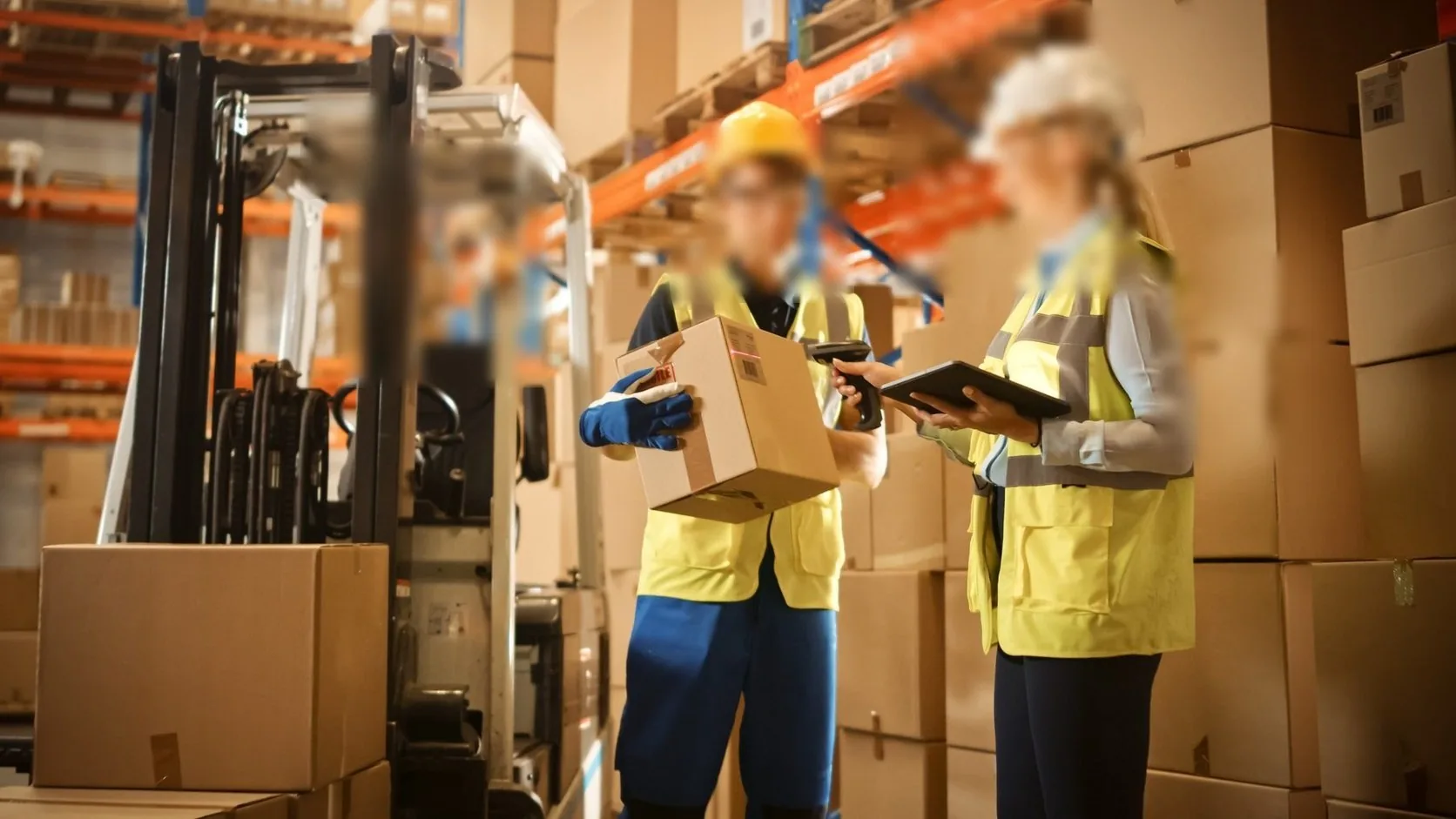
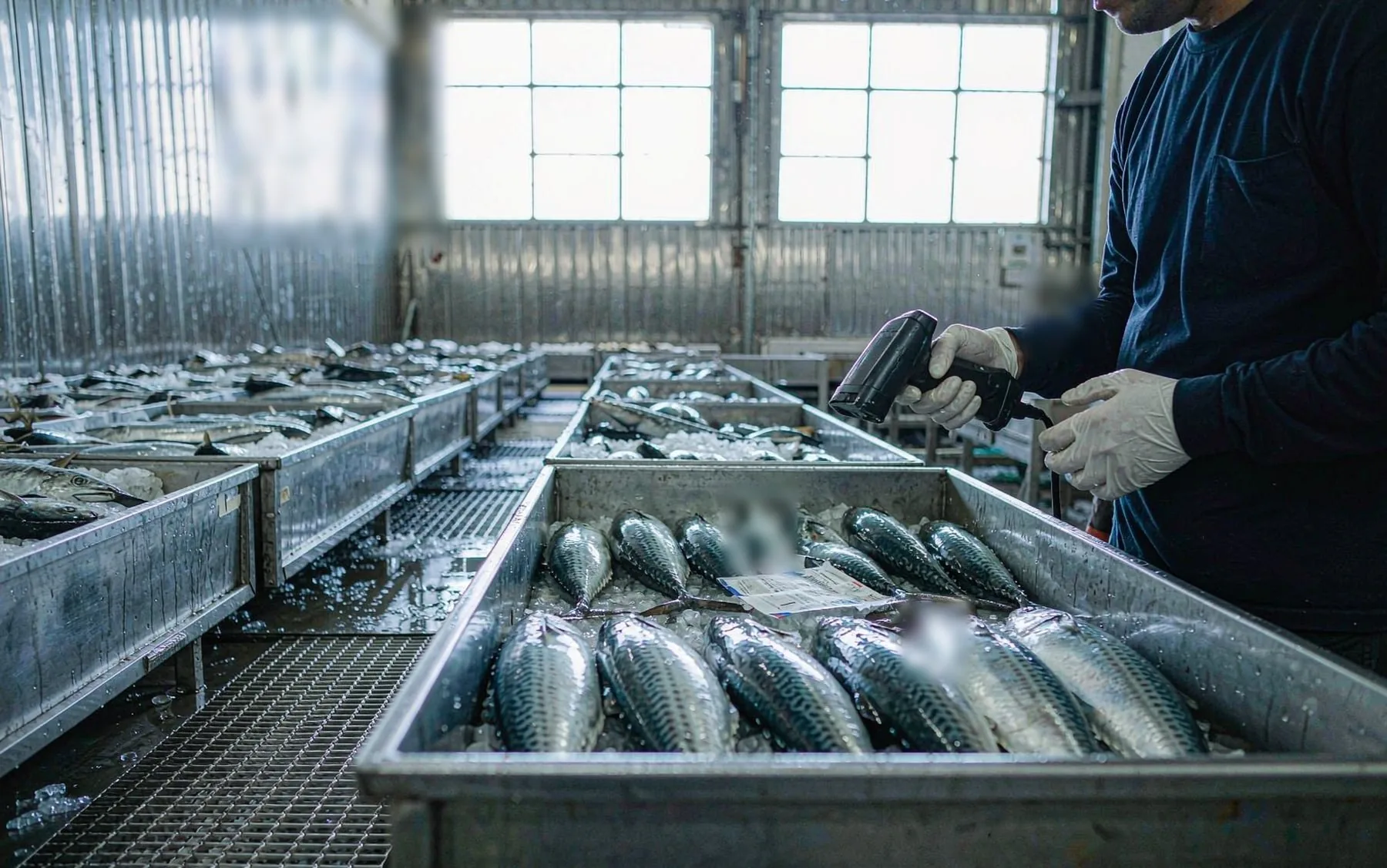
Seafood processing combines every worst case for electronics: salt, ice water, high-pressure wash-down and sub-zero cold stores. It is also one of the most audit-driven trades — an export lot may need the pond, the feed batch, the landing vessel and the processing line stitched into one record. The hardware has to capture that chain at line speed, not afterwards in the office.

Who actually makes the purchase

Seafood processors, aquaculture farms and export traders across Southeast Asia who must prove lot traceability to buyers and regulators.

Where these projects stall

Typical software in this stack
Traceability platformsERP (SAP B1 / Odoo)Custom line software
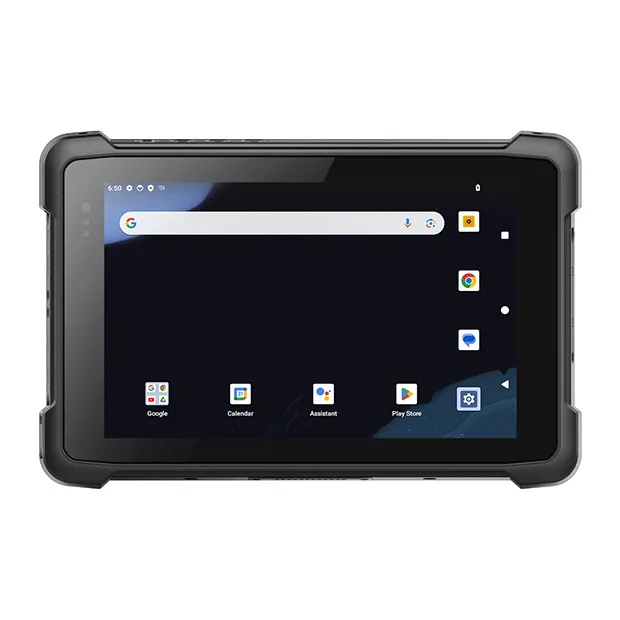
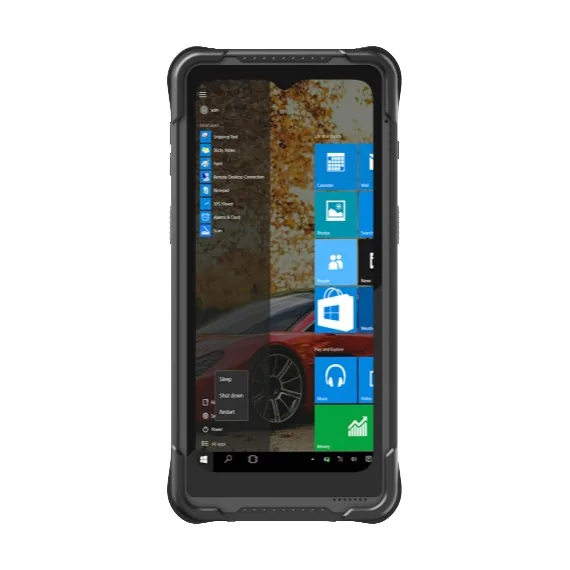
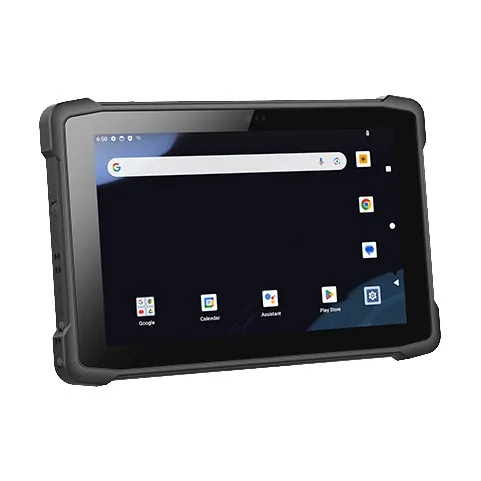
Devices quoted here: 3
Send this requirement
01

Corrosion kills consumer devices in months

Sealed enclosures and corrosion-resistant housings are the minimum; wash-down routines end unprotected tablets within a season.

02

Traceability must reach the pond, not the pallet

Export buyers and regulators increasingly ask lot-level records: landing, batch, process step and cold-store time. That means scanning on the floor, not retyping later.

03

Weight and label at line speed

Grading and packing lines move fast; the terminal must confirm lot, grade and label print in one pass or the line queues.

Usage scenario

How the work actually runs

At sea the device is not a tool, it is the only record. Salt, spray, gloves, a moving deck and no network — everything has to work first time and store until the boat is back in range.

Seafood & Aquaculture Processing — on site
ON SITEScan-to-confirm at the dock, label on the box

01The loop on deck and at the quay

Workflow
  • Catch or batch registration — species, weight, grade, vessel, time.
  • Cold-room and hold checks — temperature logs tied to the batch.
  • Traceability — tag to box to pallet to container, no gaps.
  • Landing and auction handover — weight confirmation and signature.
  • Compliance records — quota, certification, crew and inspection notes.
02What the environment forces

Selection
  • Handheld rather than tablet — one hand is holding the rail.
  • High IP rating, salt-fog tested housing and ports.
  • Glove-operable keys, wet-finger touch.
  • GNSS that holds a fix offshore, plus offline-first storage.

03Spec items that matter offshore

Spec
  • IP67 or better, with sealed connectors rather than rubber flaps.
  • Salt-spray resistance on the housing and the screen coating.
  • Replaceable battery, charged from the vessel supply.
  • Storage that survives a week offline without losing a record.

04What the pilot has to prove

Pilot
  • A full trip on one charge with the traceability app running.
  • Scanning wet, icy and salt-crusted labels.
  • Sync after days offline, with no duplicate batch records.
  • Survival of a drop onto a steel deck.
  • Readability in low sun and through a wet visor.
Data flow

How the information actually moves

This is the part that decides the device. Each step below has a different requirement for screen size, scan engine and connectivity.

01Landing weigh-inCatch recorded by lot at the dock, linked to vessel and pond.
02Batch taggingProcessing batches created and labelled at intake.
03Line captureGrade, weight and quality codes scanned or entered along the line.
04Cold-store put-awayBatch location scanned into the freezer; time-in-store tracked.
05Export documentationLot history assembled into the buyer's and regulator's format.
Questions we get

Before you ask

The questions that come up on almost every project in this sector, answered before the first call.

All questions
01Can the devices survive wash-down?
Sealed IP-rated units tolerate wet floors and hose-down; for direct high-pressure wash we recommend the panel PC behind glass or in a stainless enclosure.
02Our buyers ask for lot traceability. Does this help?
Yes — the devices are the capture layer. Your existing traceability or ERP software holds the chain; the scan points make it real instead of retyped.
03Do you support English-language procurement for ASEAN plants?
Quotes, docs and support are in English; units ship with the OS language and app stack you specify.
04Can you supply five units for a pilot?
Yes. A pilot is the normal entry point. We quote single units at sample pricing and support the pilot with spare parts on the same order — a spare battery and a cradle, not a pallet.
05Do the Android units ship with GMS?
Most Android models ship with GMS. For builds where Google services must be absent, we supply a GMS-free firmware on the same hardware — say so at the quotation stage, because it is a firmware decision, not a setting.
06What warranty do you give?
One year as standard, covering the unit and the battery against manufacturing faults. Extended cover and advance-replacement terms are available for fleets — ask for them with the quotation, not after the first failure.

Running a seafood processing project?

Send the workflow and the software stack. You will get two models and the caveats, not a catalogue.

Chat with Prince · WhatsApp