Agriculture & Collection Points
Traceability starts at the scale, in the dust — with a label that has to survive the cold room.
Farm-to-fork traceability is sold as a software platform and lost at the collection point. That is where a crate of produce is weighed, labelled and linked to a farmer and a plot — outdoors, at 38 °C, with dust on the lens and no reliable network. The device only has to do three things: read the label, keep the record when the signal drops, and take the weight from the scale instead of from a person typing it. The label it prints has to still be readable after a night in the cold room.
Who actually makes the purchase
Export packers, cooperatives, agri-tech vendors building farm-to-fork traceability, and input suppliers running farmer registration.
Where these projects stall
- Typical software in this stack
The label fails before the record does
A direct-thermal paper label on a wet, chilled crate lifts at the corner within a day. If the QR will not scan at the packing house, the crate becomes anonymous and the audit claim fails on the first check.
The shift outlasts the phone
A consumer phone at full brightness, camera running as a scanner, in 38 °C heat, is out of power by mid-morning. The operator switches to paper, and the paper becomes the traceability record.
The weight never reaches the system
The scale has an RS232 port and the app has no serial path, so someone types the number. That typed number is where the farmer's receipt and the buyer's system start to disagree.
How the information actually moves
This is the part that decides the device. Each step below has a different requirement for screen size, scan engine and connectivity.
Agri collection programmes we can talk about
Same workflow, same failure points, different scale. The kit column is what was actually deployed.
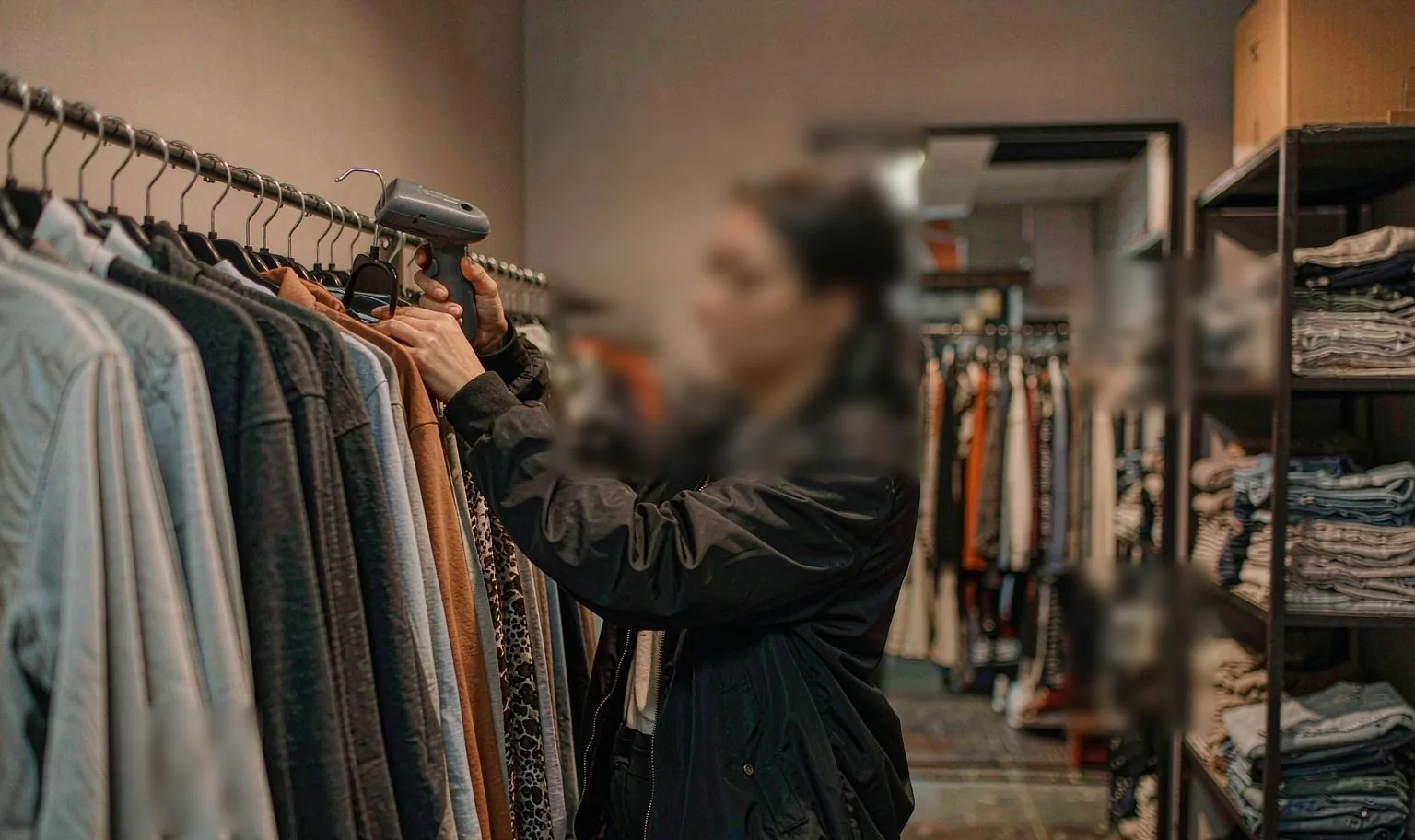 8 h → 30 min
Retail & apparel
Fashion chain, 200+ stores
Full stock-take of a two-floor store, done before opening instead of after closing.
UHF RFID handheld + fixed reader at the stockroom door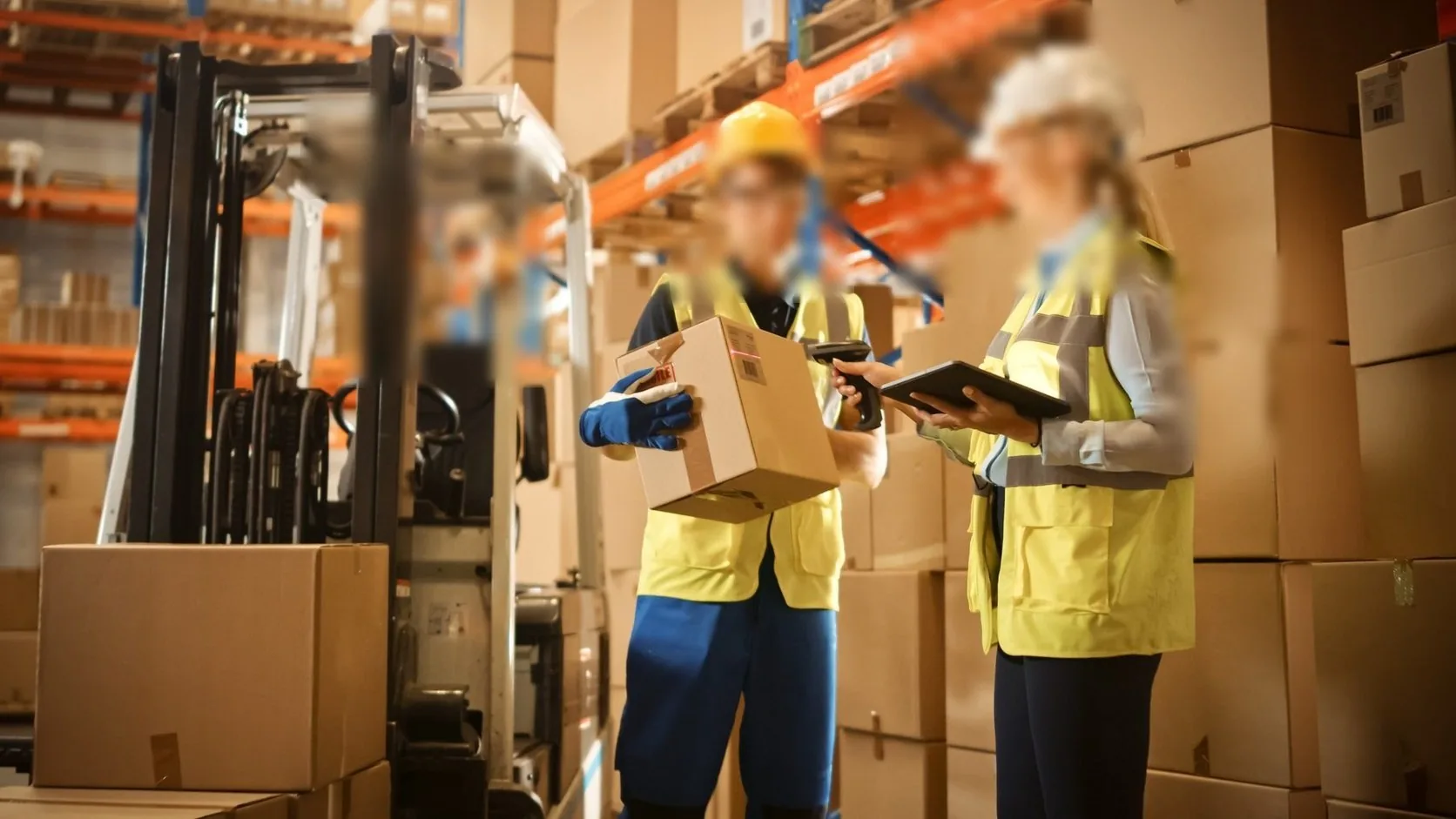 10 M parcels / day
Parcel & logistics
Global logistics hub
Sortation reads at belt speed; no manual re-scan when a label is creased.
Pistol-grip UHF reader + vehicle terminal on the tug 1,800 spindles
Production & MES
Smart textile mill
Spindle-level traceability replaces paper travellers on the spinning line.
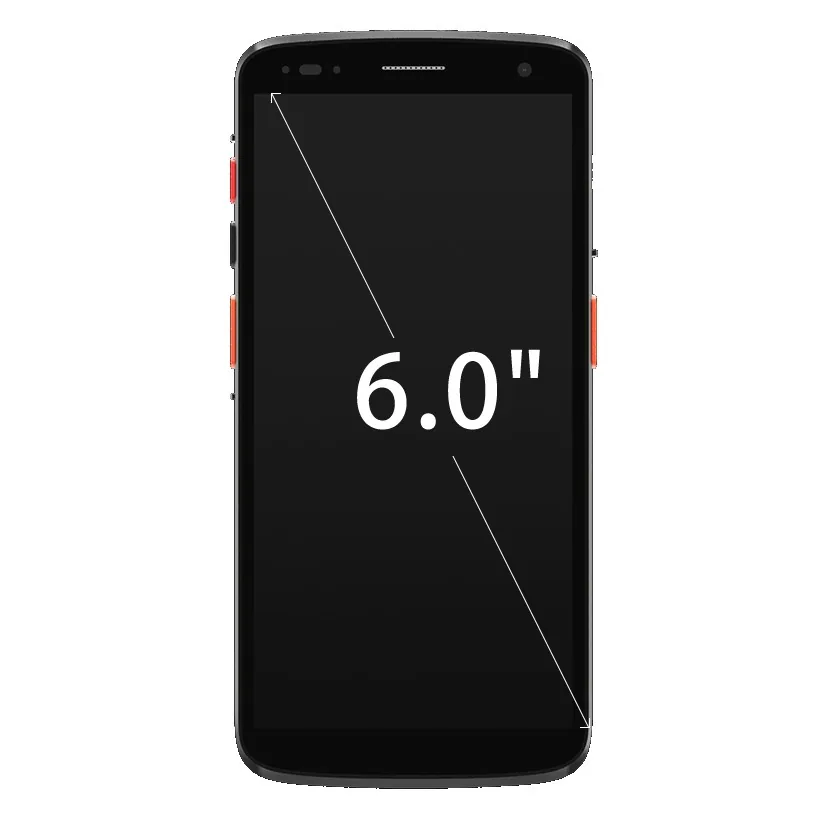
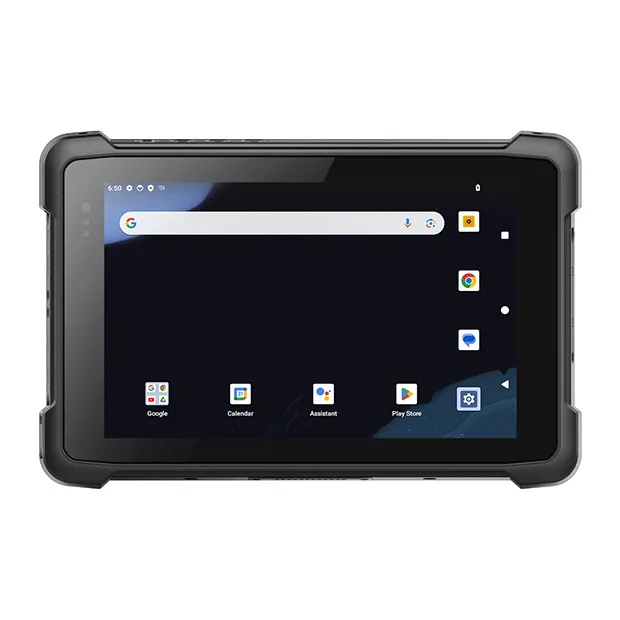
Rugged tablet at the line + UHF handheld for the doff roundDevices we quote for this deployment


Before you ask
The questions that come up on almost every project in this sector, answered before the first call.
All questions01Will the device work where there is no signal at all?
02Can it read the weight off our existing scale?
03Do we need a rugged tablet or is a handheld enough?
04Can you supply five units for a pilot?
05Do the Android units ship with GMS?
06What warranty do you give?
Running a agri collection project?
Send the workflow and the software stack. You will get two models and the caveats, not a catalogue.