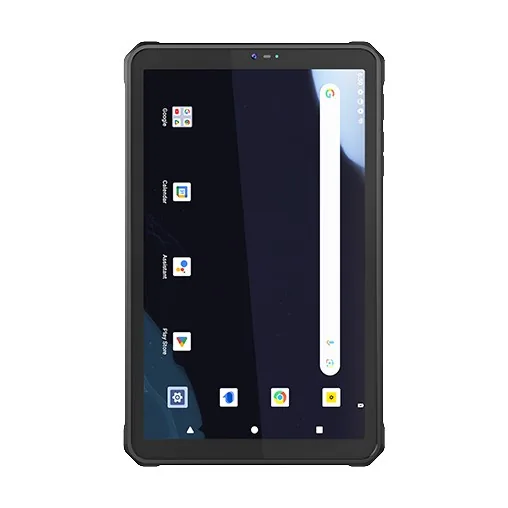
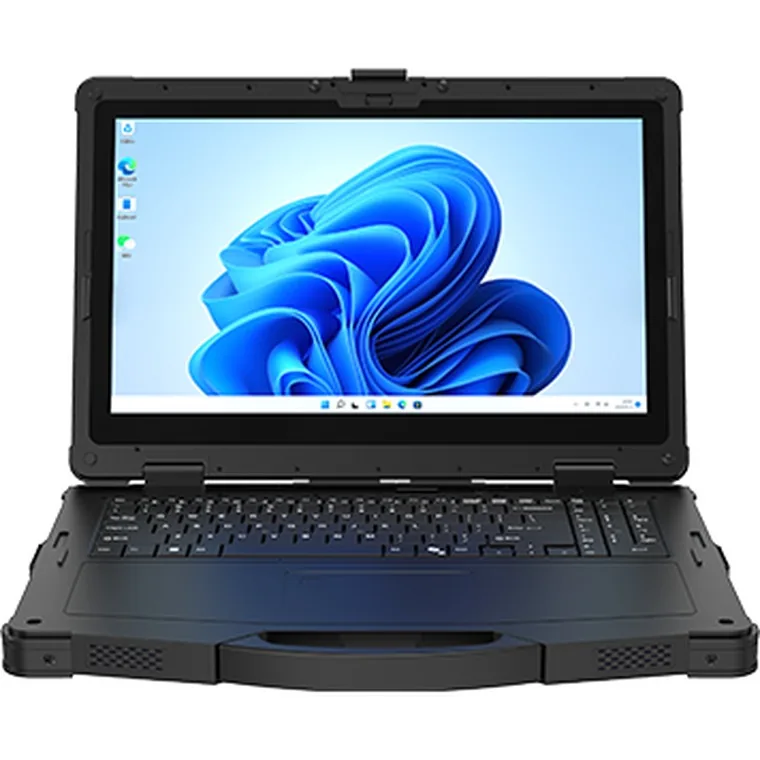
When a deployment moves beyond cellular coverage, the satellite link is not one more line item on a hardware quote. It changes the device list, the power budget, the data model and the maintenance plan. Most quotes treat it as an add-on, which is why remote-site projects slip in the second month.
This note is written for the stage before the quote, when the kit is still being shaped.
Start with coverage, not with hardware
The first question is not "which terminal" but "which constellation covers this coordinate, this year, under this country's licensing regime". Those three parts are all necessary:
- Technical coverage. Satellite footprints overlap unevenly. A constellation that covers a mine in one country may have no service in the neighbouring one.
- Regulatory permission. Satellite equipment is licensed per country. Importing and operating a terminal without a licence is a customs problem and a legal one. Some markets require a local service provider in the chain.
- Service term. Airtime is a subscription, not a purchase. It has a renewal date, a data cap and a suspension policy — all of which belong in the total cost of ownership.
A supplier who quotes a satellite handset without asking for the coordinates is quoting a box, not a solution.
The link changes what the devices must do
Once the backhaul is satellite, bandwidth and latency become design constraints on the field application:
- Latency of 500 ms or more rules out chatty APIs. The app must work from a local cache and sync in batches.
- Metered data changes the economics of photos. An inspection app that uploads full-resolution images will burn a data plan in days.
- Store-and-forward becomes mandatory, not optional. The device must hold a day or a week of records and push them reliably on the next window.
In practice this means the rugged terminal needs generous local storage, a sync engine that survives interruption, and a UI that tells the operator clearly what has and has not been transmitted. A device that silently fails to sync is worse than no device.
The power budget is usually the part that gets missed
A remote site kit is often solar plus battery, and the satellite terminal is a continuous load, not an intermittent one. Two consequences:
- Size the array for the worst month, not the average. Cloud cover and short winter days do not average out for a site with no grid backup.
- Account for the terminal's idle draw. Satellite units often consume more at idle than a rugged tablet does in use.
The practical pattern is a separate power path for communications and computing, so a flat field-device battery does not take the link down with it.
The maintenance plan has to assume nobody visits
Remote sites are remote precisely because it is expensive to send someone. That shapes the hardware choice in ways that are easy to overlook:
- Fewer moving parts. Fanless, no rotating storage, no dust-ingress path.
- Removable batteries so a local worker can swap without a technician.
- Remote diagnostics on both the terminal and the comms unit.
- A documented cold-spare list: what sits on site, what sits in the regional depot, and what has a four-week lead time.
If a component has a four-week lead time and no cold spare, the site is four weeks from an outage at all times.
A kit shape that works
For a typical remote inspection or mining deployment, the bill of materials converges on:
| Layer | Content | Note |
|---|---|---|
| Capture | 1–2 rugged tablets or handhelds | Glove-compatible, high-brightness, removable battery |
| Compute | Optional box PC | Local sync service, survives tablet replacement |
| Backhaul | Satellite terminal + antenna | Position matters more than model |
| Power | Solar + battery + regulator | Sized for worst month |
| Spares | 1 device, 2 batteries, 1 antenna cable | The cable fails more often than the terminal |
That last line surprises people. Antenna cables and connectors are the most common single point of failure in field satellite kits, and they cost almost nothing to spare.
Where we are with this category
We are building out satellite and radio products as a category, because the same customers who buy rugged terminals for remote work end up sourcing the backhaul separately and then managing two suppliers, two lead times and two warranty processes.
The aim is a single quote for a remote-site kit: terminals, backhaul, power and spares, with the licensing questions surfaced up front rather than at customs.
If you have a live project, send the coordinates, the country of import, the data volume per day and whether you need voice as well as data. We will shape the kit around those four answers and tell you clearly which parts we can supply now and which are still being added.