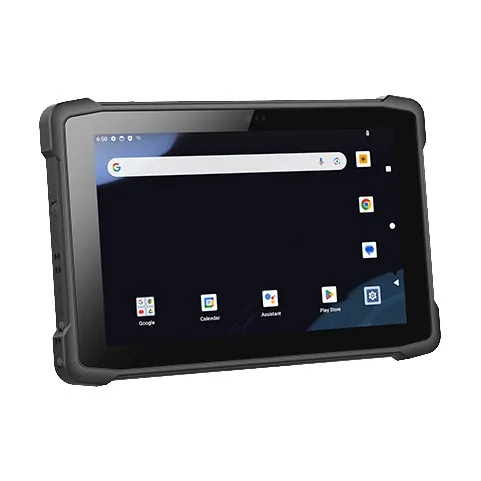
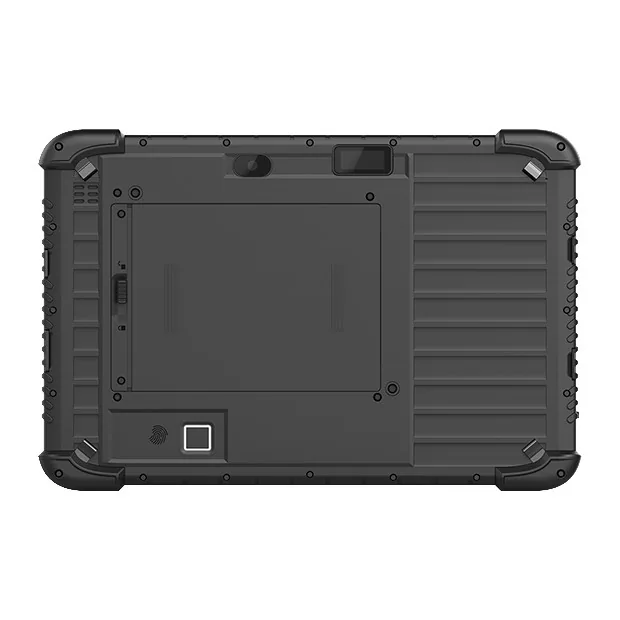
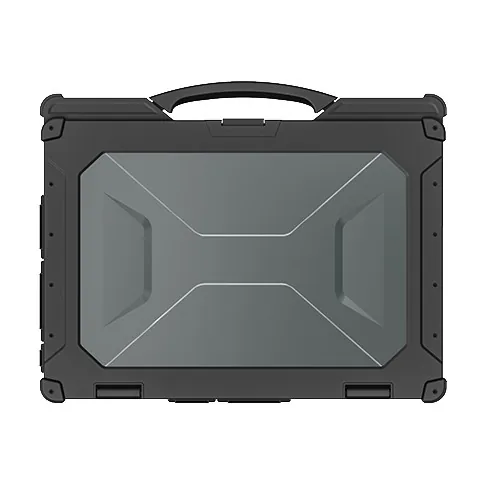
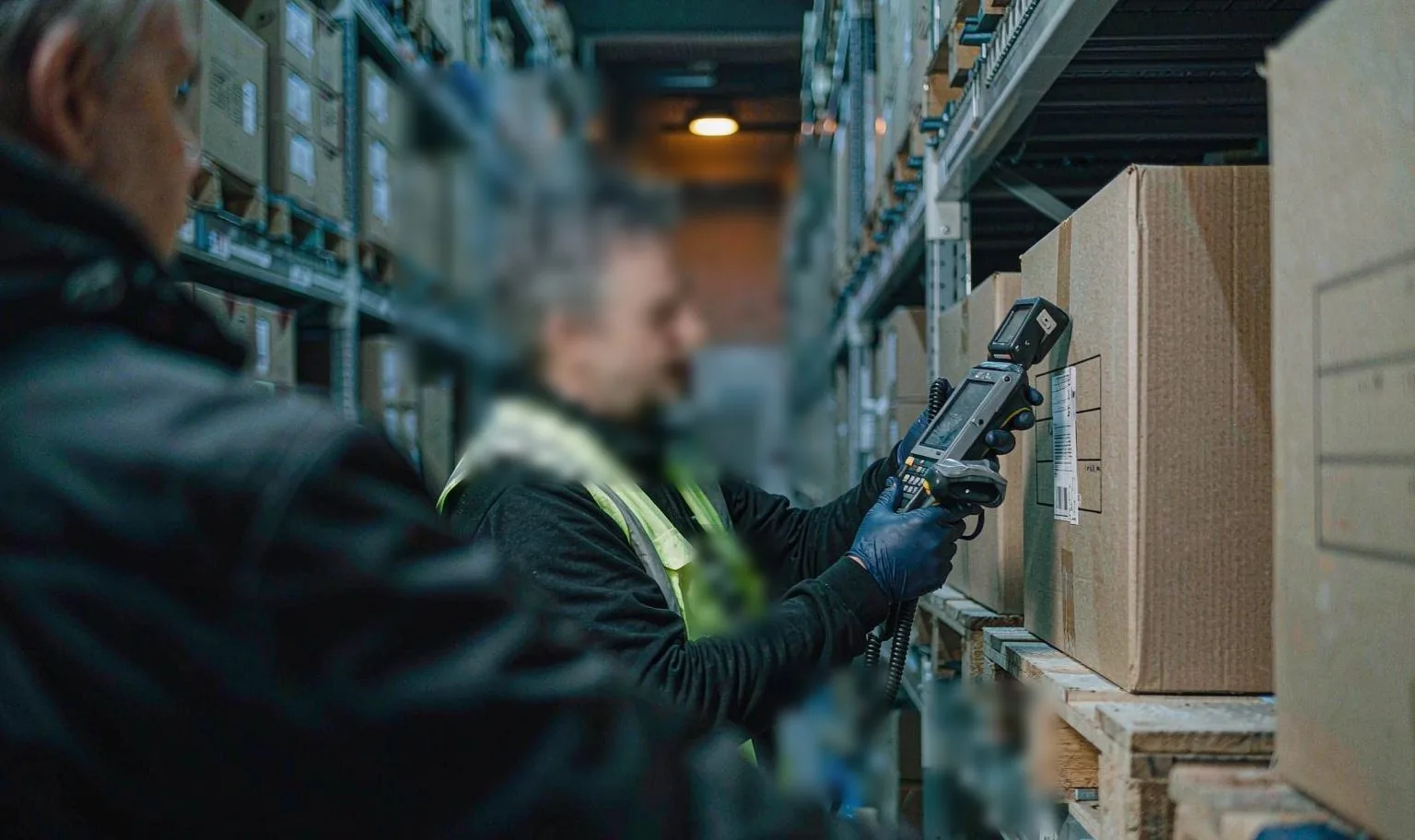
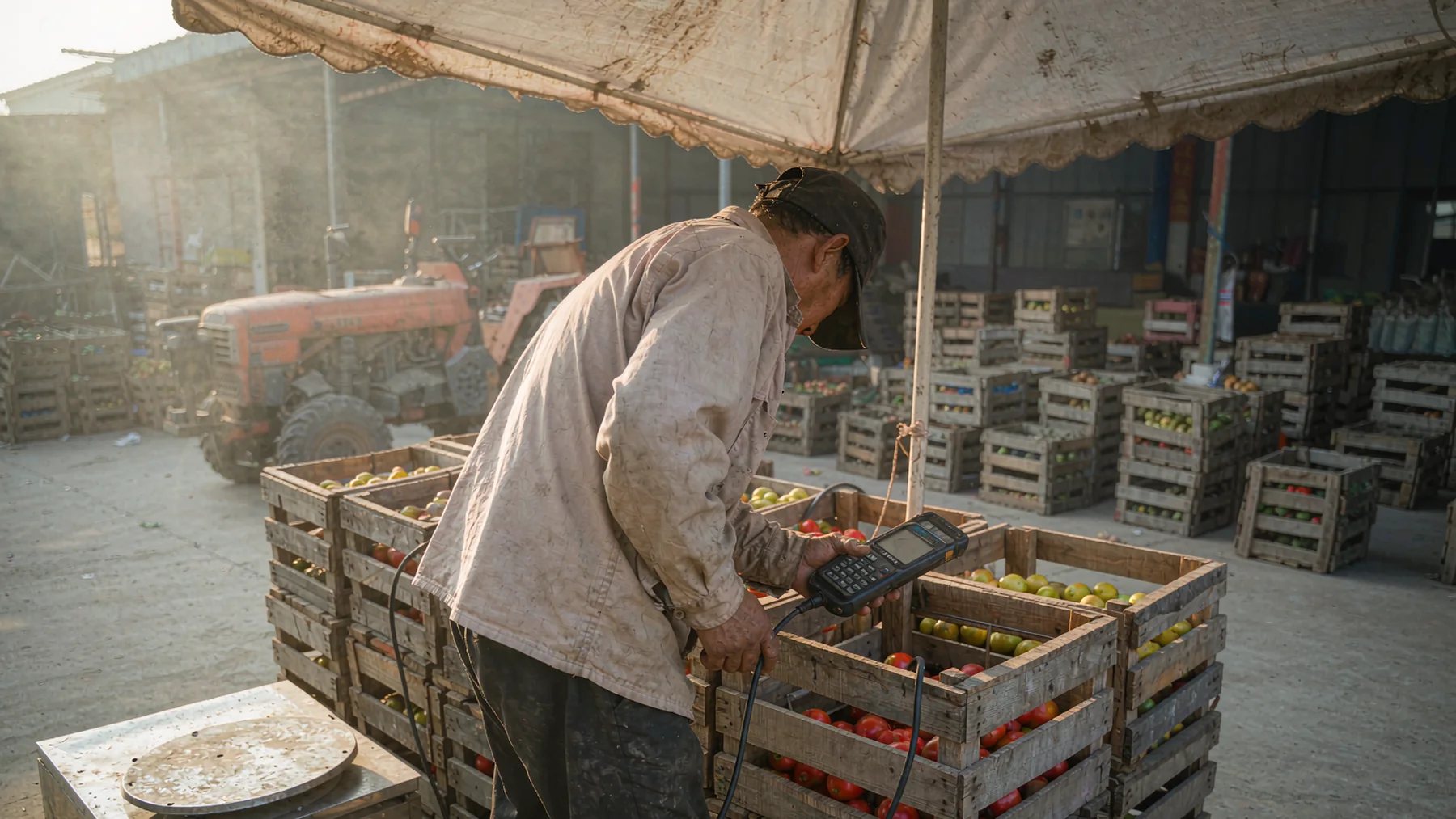
The rugged handheld is still sold as a warehouse tool, and most of the volume still is. But the growth is moving. Logistics and manufacturing still buy the most, yet healthcare, agriculture, livestock and aquaculture are the segments adding the most new sites per year — and most of them have never specified a rugged device before. This note pulls the market numbers and the field reality together, and says where a durable, scan-capable handheld actually earns its place off the dock.
The market is bigger than the dock
- Rugged handheld terminals and PDAs were a USD 4.16 billion market in 2025, growing at roughly 6.7% CAGR through 2032.
- The wider rugged-device category was about USD 7.49 billion in 2025 and is forecast near USD 13.4 billion by 2032.
- Handhelds are still about 48% of the rugged mobile computer unit mix — the single largest form factor.
- Healthcare is the fastest-growing end-user vertical at roughly 8.9% CAGR, ahead of the established logistics and manufacturing base.
The takeaway for a buyer: these are not niche purchases. The device class is maturing, and the new demand is coming from places that do not think of themselves as "rugged sites" at all.
Healthcare: disinfection, not just drops
Hospitals and EMS services need devices that survive constant wiping with alcohol and chlorine-based disinfectants, and that keep patient data locked down. The work is concrete:
- Nurses scan wristbands to match medication to the electronic medication record, which is what cuts adverse drug events.
- EMS uses 4G fallback to share wound images and vitals when Wi-Fi drops between the ambulance and the ward.
- Operating theatres use the same handheld for surgical checklists and PACS viewing.
What to spec: a sealed housing that tolerates repeated disinfection, replaceable batteries for double shifts, and — around sensitive equipment — an EMC profile aligned to IEC 60601-1-2. An IP68 handheld with a disinfectant-resistant skin fits bedside and clinic workflows without a cart.
Plant cultivation and precision agriculture: the field is the warehouse now
Agriculture is repeatedly called the "largely untapped" rugged segment. The jobs are real:
- GPS-guided field mapping and scouting.
- Pest and disease identification at the row.
- Irrigation and inputs logging.
- Supply-chain traceability from plot to packhouse.
Rugged tablets and handhelds do this today in greenhouse and open-field operations where a consumer phone dies in the first week of dust and condensation. Latin America's agribusiness alone is sized as a ~USD 320 million incremental market by 2030. For a grower, the device has to read in bright sun, survive the humidity of a propagation house, and still scan a lot or QR code at the grading line.
Livestock and animal husbandry: ID, health and feed records
Barns and feedlots are harsh in a way offices are not — ammonia-laden air, hose-downs, dust, and the animals themselves. The durable handheld earns its keep on:
- RFID ear-tag and bolus identification for individual animal tracking.
- Vaccination and treatment records captured at the chute.
- Feed and movement logs that close the traceability loop buyers now demand.
The spec drivers are the same as cold chain: glove-friendly input, a readable screen in a dim barn, and a housing that takes a daily wash. Where a site is also classified — grain dust, for example — the dust marking on the certificate matters, because most handhelds are gas-only.
Aquaculture: salt, spray and traceability
Fish and shrimp farms add salt spray and near-100% humidity to the durability test. The work is:
- Pond and pen rounds with environment logging.
- Hatchery-to-table traceability via barcode or RFID at each transfer.
- Boat and raft-side data capture where Wi-Fi does not reach.
An IP68 body with corrosion-resistant ports is the floor here, not a feature. The same marine-grade build that already runs in seafood processing serves freshwater and coastal aquaculture without a second bill of materials.
How to spec for these sites without over-buying
| Need | Minimum to ask for |
|---|---|
| Disinfection (healthcare) | Sealed shell rated for daily alcohol/bleach wipes; IEC 60601-1-2 EMC |
| Field sun (agriculture) | ≥ 700 nits, glove and wet-touch input |
| Barn and feedlot | IP68, daily wash, 1.5 m drop, UHF/RFID option |
| Salt spray (aquaculture) | IP68 plus corrosion-resistant ports, 4G fallback |
| Any of them | Hot-swappable battery, Android with MDM enrolment |
The pattern is consistent: the warehouse taught the industry ruggedness and scanning. The new verticals need the same hardware wrapped in the right housing and, where the area is classified, certified for the right hazard. Start from the failure mode, not the model number — and if the area is classified, the certificate decides the device, not the brochure.